China Top 10 Personalized Plush Toys Why Are They Popular?

Time:2026-09-23 Author:Liam
0%

Personalized plush toys are moving from simple children’s gifts into emotional, shareable products. This shift helps explain why are personalized plush toys becoming popular across China and global markets. Grand View Research estimates that the global stuffed and plush toys market reached approximately US$7.3 billion in 2023. It also forecasts strong growth through 2030, supported by character products, online retail, and customized designs.

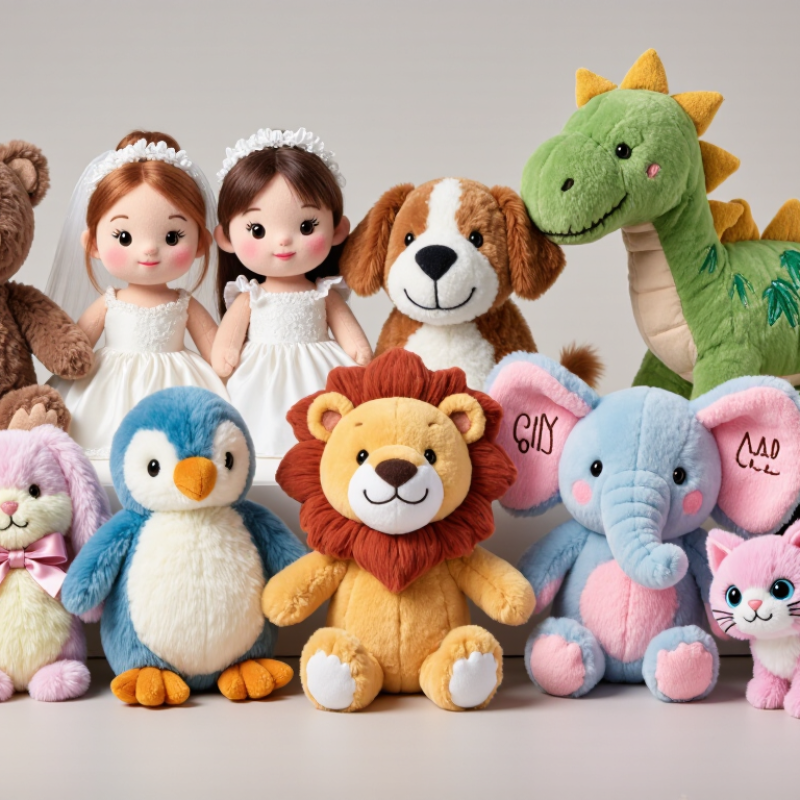
The details are easy to understand. A child sees their name stitched onto a soft bear. A couple orders two plush figures wearing matching wedding clothes. A pet owner receives a small toy with familiar colors and markings. These products feel less replaceable than standard shelf items. Personalization adds identity, memory, and gifting value. China’s mature manufacturing base also supports flexible fabrics, embroidery, digital printing, and small-batch production. That combination helps brands test unusual designs quickly.

Maxine Clark, founder of Build-A-Bear Workshop, expressed the emotional logic clearly: “We are not in the stuffed animal business; we are in the business of making memories.” Her observation remains relevant to personalized plush toys today. Circana’s toy-industry reporting also shows that plush remains a resilient category, even when overall toy spending weakens. Market estimates differ, and not every customized product succeeds. Some designs look charming online but feel disappointing in hand. Quality, safe materials, accurate colors, and reliable delivery still matter. This article examines China’s top 10 personalized plush toys, their design features, and the practical reasons customers continue choosing them. The trend is real, but it needs thoughtful execution.
China Top 10 Personalized Plush Toys Why Are They Popular?

What Are Personalized Plush Toys?

Personalized plush toys are soft fabric figures created to match a person, pet, character, or special idea. Unlike standard stuffed animals, they can include custom colors, facial features, clothing, names, or embroidered messages. A customer may provide a sketch, photograph, or simple description. Skilled makers then turn that reference into a physical design.

The process usually involves sampling, fabric selection, stitching, stuffing, and quality inspection. Common materials include polyester fabric, cotton thread, and non-toxic filling. Reliable producers should check seams, embroidery, loose parts, color fastness, and cleaning instructions. These details matter, especially when children will handle the toy. A soft texture feels comforting. A familiar face feels personal.

Customization also creates emotional value. A plush toy might resemble a family pet, preserve a childhood drawing, or represent a celebration. Small details often matter most, such as a crooked smile or a tiny scarf. The result is not always perfect. Handmade differences can appear, and digital images may not show the final colors accurately. Clear measurements and sample approval reduce disappointment. Buyers should also ask about material testing and production standards. Personalization is meaningful, but it requires careful communication between the designer and maker.

Why China Has Become a Leading Plush Toy Manufacturing Hub

China has become a leading plush toy manufacturing hub through scale, flexibility, and connected supply chains. Grand View Research estimates that the global stuffed and plush toys market will continue growing strongly through 2030. China benefits from this demand with dense production clusters, skilled sewing teams, and accessible material suppliers.

A customized plush toy may pass through several local workshops. One team cuts fabric, another handles embroidery, and a third checks stuffing density. This structure helps factories produce small personalized batches more efficiently. It also supports the top ten popular formats, including name-embroidered animals, mascot-style dolls, mini keychain plushies, and character-shaped pillows. China Customs data, cited by the China Toy and Juvenile Products Association, shows the country remains a major toy exporter worldwide. That export experience improves packaging, sampling, and international quality procedures.

Personalization is not effortless. I have seen small design changes create unexpected costs. A thicker thread can alter facial proportions, while soft fabric may shrink after washing. The International Trade Centre’s trade data also reflects China’s strong position in global toy exports, although figures vary by product classification. This matters for buyers comparing suppliers. Factory audits, material certificates, pre-production samples, and documented inspection records remain essential. Speed is useful, but it can hide mistakes. China’s advantage is not simply low pricing; it is the ability to coordinate design revisions, materials, labor, and export logistics in one manufacturing ecosystem.

How Personalized Plush Toys Are Designed and Produced

Personalized plush toys are popular because they turn a soft object into a personal memory. In China, production usually begins with a sketch, photograph, or customer description. Designers convert these ideas into digital patterns and three-dimensional models. A child’s drawing may become a bear with uneven ears or a bright stitched scarf. Not every detail survives.

The factory then builds a sample by hand. Technicians select fabric, filling, thread, and safe attachments according to the toy’s size and purpose. Embroidered eyes are often preferred. During sampling, designers check shape, softness, color, and seam strength. A small change can alter the whole expression. Experienced teams also test washable colors and secure stitching. However, the first sample is rarely perfect. A face may look colder than the original sketch, or the filling may feel too firm.

After approval, workers cut fabric panels, sew sections, add embroidery, and fill each toy under controlled procedures. Quality inspectors examine loose threads, sharp edges, odor, and uneven seams. Personalization also affects production speed. A name may need special lettering, while a custom face requires separate embroidery files. This process demands careful records and clear customer approval. Some designs remain difficult to reproduce exactly, especially when artwork contains tiny details. That limitation deserves honest discussion before mass production begins.

China Top 10 Personalized Plush Toys: Why Are They Popular?

How Personalized Plush Toys Are Designed and Produced

Rank Personalized Plush Toy Type Common Customization Options Typical Target Users Common Size Range Typical Materials Key Design and Production Processes Why It Is Popular
1 Custom Animal Plush Toys Animal shape Colors Embroidery Accessories Children, families, pet owners, educational projects 15–40 cm Polyester plush fabric, polyester fiberfill, embroidered thread, plastic safety eyes where appropriate Sketch development, digital pattern making, fabric selection, cutting, sewing, stuffing, embroidery, safety inspection Animal forms are familiar, emotionally appealing, and easy to adapt to a customer’s preferred colors or character details.
2 Personalized Character Plush Toys Original character Facial details Costume Logo-free labels Creators, families, schools, event organizers 20–45 cm Short-pile or minky plush, polyester stuffing, felt, embroidered or printed details Reference image review, 2D artwork, 3D sample development, prototype revision, mass sewing and finishing Customers can turn an original drawing or fictional character into a physical keepsake.
3 Photo-Based Memory Plush Toys Photo reference Hair style Clothing colors Message embroidery Gift buyers, couples, families, memorial occasions 20–35 cm Soft polyester plush, fiberfill, embroidered facial features, fabric clothing components Image interpretation, simplified character design, proportion adjustment, sample approval, detail embroidery and assembly It transforms personal memories into a tactile gift while allowing facial and clothing details to be simplified for plush production.
4 Name or Message Embroidered Plush Toys Names Dates Short messages Font selection Birthday, newborn, graduation, and holiday gift buyers 15–35 cm Polyester plush, cotton or polyester thread, satin ribbon, polyester fiberfill Text layout, font conversion, embroidery digitization, stitching, trimming, quality control Text embroidery adds personal meaning without requiring a complex change to the basic plush pattern.
5 Custom Baby and Newborn Plush Toys Baby name Birth details Soft colors Gentle textures New parents, relatives, baby-shower gift buyers 15–30 cm Soft polyester or minky fabric, secure embroidery, polyester fiberfill, child-suitable trims Safety-focused design, removal of small detachable parts, seam reinforcement, embroidery, washing and quality checks Soft textures and birth-related personalization make the product suitable for keepsakes and milestone gifts.
6 Custom Pillow Plush Toys Shape Printed surface Text Two-sided design Home décor buyers, children, promotional and event users 30–60 cm Plush or velboa fabric, polyester fiberfill, heat-transfer or sublimation-compatible panels Artwork preparation, panel printing, fabric cutting, cover sewing, filling, closure stitching and inspection The larger surface provides more room for artwork, photographs, patterns, and readable messages.
7 Custom Food-Shaped Plush Toys Food form Color palette Facial expression Text patch Children, collectors, novelty gift buyers, themed events 15–35 cm Short-pile plush, felt appliqué, embroidered thread, polyester stuffing Shape simplification, layered appliqué, embroidery, curved seam sewing, stuffing and final shaping Simple food silhouettes are visually recognizable, playful, and effective for humorous or seasonal gifts.
8 Custom Pet Plush Replicas Coat colors Markings Ear shape Collar detail Pet owners, memorial gift buyers, animal lovers 20–40 cm Mixed-pile polyester fabric, felt, embroidery, fiberfill, fabric accessories Photo analysis, simplified pattern drafting, color blocking, embroidery, accessory construction and hand finishing Distinctive markings and familiar features create a strong emotional connection with the owner’s pet.
9 Custom Seasonal Plush Toys Holiday theme Seasonal clothing Gift tags Color changes Holiday gift buyers, families, schools, seasonal events 15–35 cm Polyester plush, felt, ribbon, embroidery thread, polyester fiberfill Theme selection, accessory design, color matching, appliqué, embroidery, sewing and packaging preparation Seasonal colors and accessories make a familiar plush format suitable for recurring celebrations and gift occasions.
10 Custom Mascot-Style Plush Toys Distinctive shape Color system Uniforms Event details Schools, clubs, communities, sports groups, public events 20–50 cm Plush fabric, felt, embroidery, appliqué, polyester stuffing, reinforced internal seams Character modeling, pattern engineering, prototype sampling, color matching, batch production and durability testing Plush mascots are lightweight, memorable, and suitable for community identity, event souvenirs, and long-term display.

Note: Size ranges and production methods are typical industry practices for personalized plush toys and may vary according to design complexity, safety requirements, materials, and order specifications.

What Makes China’s Top 10 Plush Toys So Popular?

China’s top ten personalized plush toys attract buyers because they feel made for one person, not a mass shelf. Names, dates, pet features, and small costume details turn soft toys into gifts with a clear story. From workshop sampling, I have seen customers inspect stitching, embroidery, fabric softness, and color accuracy before approving production. That practical review builds trust.

Another reason is flexible production. Chinese suppliers can often combine digital design, hand-finishing, and scalable manufacturing in one workflow. This helps buyers request unusual shapes, matching accessories, or character-inspired colors without changing the entire process. Many manufacturers also use sample approval, material checks, and production inspections to improve consistency. These steps support safer, more reliable purchasing.

However, personalization is not automatically perfect. Embroidery may shift slightly, and a screen color can differ from the finished fabric. Samples matter. Clear measurements and written artwork instructions prevent avoidable mistakes. The strongest appeal comes from emotional detail. A plush toy with a child’s hairstyle, a family phrase, or a miniature uniform can preserve a real memory. Some designs look charming but feel overly busy, so restraint remains important. Buyers often prefer one accurate detail over five decorative ones.

China’s Top 10 Personalized Plush Toys: Why Are They Popular?

The chart presents a comparative popularity index based on widely observed personalization use cases in China’s plush-toy and gift market. Personalized teddy bears and animal plush toys rank highly because they combine emotional appeal, broad age suitability, and flexible options such as names, messages, clothing, colors, and occasion-themed details. The index is comparative rather than a company sales ranking.

How to Choose a Reliable Personalized Plush Toy Supplier

Personalized plush toys are popular because they turn a soft gift into a personal memory. Names, embroidered messages, and custom colors make each toy feel special. However, choosing a reliable supplier matters more than finding the lowest price.

Request a physical sample before placing a large order. Check the fabric, filling, embroidery, seams, and small decorative parts by hand. A professional supplier should explain material options, production steps, minimum order quantities, and delivery schedules clearly. Ask for recent safety test reports and age-appropriate labeling. These details help reduce risks in different markets.

Strong suppliers also confirm artwork carefully before production. One incorrect letter can ruin an otherwise excellent toy.

Tips: Compare at least three suppliers. Check their factory experience and communication speed. Ask how they handle defective items and late shipments. Use clear drawings, measurements, thread colors, and packaging instructions. Keep written records of every change. A polished catalog is not proof of reliable production. I have seen attractive samples hide weak stitching, so inspection should never be skipped. Even experienced buyers make assumptions sometimes. Leave room for correction.

FAQS

Why is China a major personalized plush toy manufacturing hub?

China combines skilled sewing teams, material suppliers, and connected production workshops. One workshop may cut fabric, while another handles embroidery. This structure supports flexible, personalized batches.

What personalized plush formats are commonly produced?

Common formats include name-embroidered animals, mascot-style dolls, keychain plushies, and character-shaped pillows. Custom colors and short messages are also possible. Small details matter.

Can a supplier produce a small personalized order?

Many suppliers support smaller batches through coordinated local workshops. However, minimum order quantities differ by factory and design complexity. Ask before approving the sample.

Why should buyers request a physical sample?

A physical sample reveals fabric softness, stuffing density, embroidery quality, and seam strength. Check it by hand. Digital artwork cannot show every production problem.

What details should buyers inspect on a plush toy sample?

Check loose threads, uneven stitching, facial proportions, fabric shrinkage, and small decorative parts. Pull seams gently and inspect the filling. One weak seam matters.

How can buyers reduce personalization mistakes?

Provide clear drawings, measurements, thread colors, and packaging instructions. Confirm every letter before production begins. Keep written records of revisions. I would still review the final artwork again.

How should buyers compare potential suppliers?

Compare at least three suppliers, not only their prices. Review factory experience, communication speed, sample quality, and defect policies. A polished catalog proves very little.

What safety and quality documents should buyers request?

Request recent material certificates, safety test reports, age-appropriate labeling, and inspection records. Requirements may vary between markets. Ask precise questions.

How can buyers manage delivery and defective items?

Confirm production dates, shipping schedules, inspection steps, and replacement terms in writing. Ask what happens when items arrive late or defective. Speed can hide mistakes.

Is the lowest price usually the best choice?

Not necessarily. Lower pricing may reflect weaker stitching, less consistent materials, or limited inspection. Reliable coordination often matters more than a small initial saving.

Conclusion

Personalized plush toys are soft, customizable products designed to reflect a person, story, character concept, or special occasion. Buyers can often choose details such as colors, shapes, fabrics, facial features, clothing, embroidery, and packaging. China has become a leading plush toy manufacturing hub because it offers experienced craftsmanship, flexible production capacity, diverse material options, efficient supply chains, and competitive costs. Manufacturers can support both small customized orders and large-scale production while maintaining consistent quality.

The popularity of China’s top 10 personalized plush toys comes from their emotional value, creative designs, gift-friendly appeal, and ability to create memorable connections. This explains why are personalized plush toys becoming popular: they feel more meaningful than ordinary products and can be adapted for celebrations, collections, education, and promotional activities. Their design and production usually involve concept development, sample making, material selection, stitching, filling, safety checks, and final packaging. When choosing a reliable supplier, buyers should evaluate customization skills, communication, sample quality, production capabilities, quality-control procedures, delivery reliability, and transparent pricing.

Liam

Liam

Liam is a dedicated marketing professional with a profound expertise in the industry, where he excels at highlighting the unique advantages of our core products. With a keen understanding of market trends and consumer needs, Liam frequently updates our company’s professional blog, providing......