Plush toys are beloved by children around the world. They provide comfort and companionship. However, safety is a primary concern for parents and manufacturers alike. Understanding what safety standards apply to plush toys is essential. Reports show that nearly 20% of toy-related injuries involve plush toys. These incidents can include choking, suffocation, and even allergic reactions.
In the United States, the Consumer Product Safety Commission (CPSC) sets strict regulations for toys. Compliance with these standards ensures that plush toys are safe for children. Standards such as ASTM F963 offer guidelines on material safety, choking hazards, and flammability. Many parents remain unaware of these requirements. This gap in knowledge can lead to poor buying choices.
While many manufacturers adhere to these standards, not all do. Quality control can vary significantly between brands. A lack of transparency in production can make it hard to assess safety. It's crucial for consumers to seek out reputable companies. Research and due diligence can make a difference. Knowing what safety standards apply to plush toys is a key factor in protecting our children. Understanding these complexities allows parents to make informed decisions about the toys their children use.
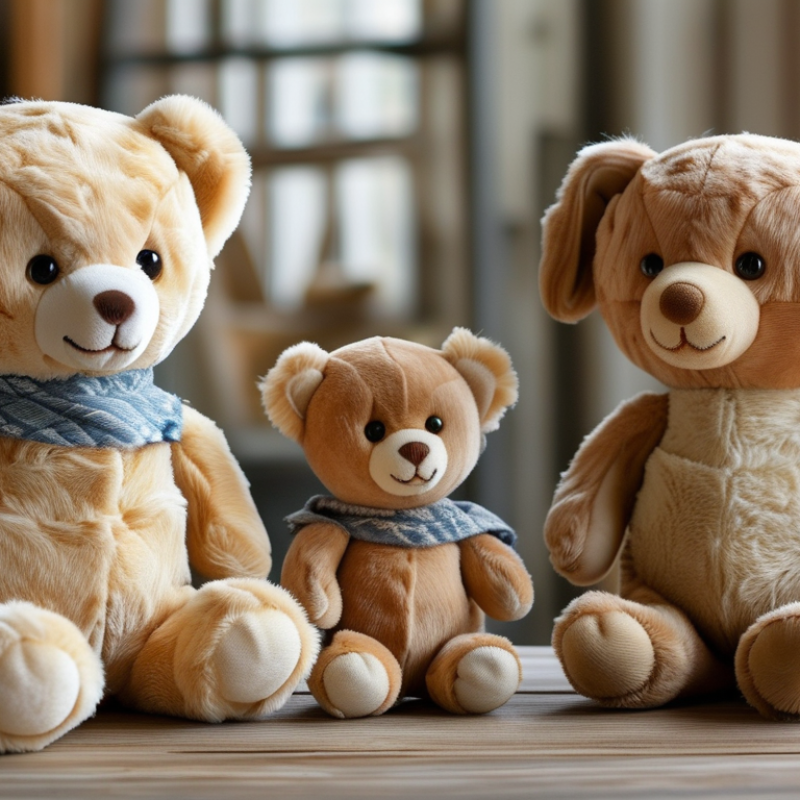
When it comes to plush toys, safety standards are crucial in ensuring child safety. Manufacturers must adhere to specific guidelines. Key standards include the ASTM F963 and EN71, which set safety requirements for toy materials and construction. These standards focus on limiting hazardous substances and ensuring durability. For instance, a well-constructed plush toy should withstand regular play without losing parts.
Testing procedures don't just check for material safety. They also assess the design. For example, small parts may pose choking hazards. Plush toys should be free from loose buttons or eyes that can detach. It's essential for manufacturers to think about every aspect. A mindful approach to design and material selection can prevent potential accidents.
Quality control plays a significant role in compliance with safety standards. Regular inspections and testing are vital. However, not all manufacturers prioritize this as they should. This gap can lead to toys that don't meet the necessary safety benchmarks. Continuous improvement in safety practices is needed in the industry. Ensuring these standards can help protect children while they play.
When it comes to plush toys, the materials used play a crucial role in safety. Soft toys are often made from fabric, stuffing, and additional components like eyes and noses. Common materials include polyester, cotton, and acrylic. It's essential to check for non-toxic, hypoallergenic options. Parents should know that some fabrics can harbor harmful chemicals. For instance, certain dyes used in plush toys can cause skin irritation.
The stuffing inside plush toys also warrants attention. Many manufacturers use polyester fiber or foam. While these materials are generally safe, they can become problematic if they contain flame retardants. These chemicals may pose health risks. Additionally, check for small components, like plastic eyes, which can present choking hazards. Opting for toys without small detachable parts is a safer choice for younger children.
Understanding the implications of these materials can guide safer purchases. Always look for safety certifications on packaging. These indicate the toy meets specific safety standards. Keeping abreast of safety guidelines helps nurture a safer play environment for children. Choosing the right materials ensures that safety isn’t compromised. However, it's easy to overlook details while selecting toys. Consistent awareness can lead to better choices for kids.
When it comes to ensuring the safety of plush toys, proper testing procedures are crucial. These toys often become cherished companions for children, so it is essential they meet established safety standards. Testing begins with evaluating materials. Plush fabrics, stuffing, and any embellishments need to be non-toxic and hypoallergenic. Each component should pass rigorous safety checks to eliminate risks like choking hazards or harmful chemicals.
Mechanical tests follow material evaluation. These tests examine how well plush toys withstand wear and tear. For example, seams should be securely stitched to avoid unraveling. Toys are often subjected to stress tests, simulating a child’s play patterns.
The toy's durability must be assured, as products that tear easily can pose safety threats. Importantly, regular audits and checks help monitor compliance over time. Not every plush toy passes the first evaluation. Manufacturers must be willing to address concerns and enhance designs continuously.
Finally, labeling is important. Clear instructions for care and play help avoid misuse. Labels must include information regarding age appropriateness and safety warnings. Nonetheless, even the best procedures are not foolproof. Continuous improvements in testing are vital. Feedback from parents and caregivers can offer valuable insights. Each toy tested provides a learning opportunity to improve upon the next.
When it comes to plush toys, safety and labeling are crucial. According to the American Society for Testing and Materials (ASTM), over 50% of toy-related injuries are associated with plush items. Therefore, understanding labeling requirements is vital for both manufacturers and consumers.
For plush toys, the labels should include safety information, age recommendations, and material breakdown. The Consumer Product Safety Commission (CPSC) mandates that labels must display any hazardous materials used. In a study, it was found that nearly 30% of consumers do not check the labels before purchasing. This statistic highlights a gap in consumer awareness.
In addition to materials, labels should indicate washing instructions to ensure longevity and hygiene. Many plush toys may harbor allergens or contaminants if not properly maintained. Still, some manufacturers neglect to provide clear washing guidelines. The absence of this information can lead to safety risks, especially for young children. Consumer feedback indicates that clear labeling could improve trust and enhance the shopping experience.
When it comes to plush toy safety, regulations are crucial. In the United States, the Consumer Product Safety Commission (CPSC) enforces safety standards. These standards include the prohibition of hazardous substances that could harm children. According to reports, more than 15 million plush toys were recalled between 2015 and 2020 due to safety violations. This underscores the industry’s need for stringent compliance with safety regulations.
Testing for flammability is a key requirement. Plush toys must pass tests that assess their resistance to ignition. Many manufacturers rely on third-party laboratories for compliance but sometimes overlook thorough testing. In a survey, 35% of toy companies admitted to not fully adhering to safety standards, leading to potential risks.
Moreover, labeling regulations demand clear information about materials. Toys must not contain small parts that pose choking hazards for children under three. Despite advancements in safety protocols, lapses remain common. Continuous education on regulations could reduce the number of incidents linked to plush toy safety. Compliance is not just about meeting legal requirements; it is also about ensuring the well-being of children.
: Plush toys are often made from polyester, cotton, and acrylic fabrics.
Unsafe materials can harbor harmful chemicals and cause skin irritation in children.
Parents should check for non-toxic and hypoallergenic options to ensure safety.
Stuffing materials like polyester fiber can contain flame retardants, posing health risks.
Small parts, such as plastic eyes, can be choking hazards for young children.
Always look for safety certifications on the packaging to verify compliance with safety standards.
Labels should contain safety information, age recommendations, and materials used.
Nearly 30% of consumers do not check labels before buying plush toys, which is concerning.
Without proper washing guidelines, toys may harbor allergens and contaminants, affecting safety.
Clear labeling and safety information could significantly enhance consumer trust and shopping experience.
When considering what safety standards apply to plush toys, it's essential to understand key guidelines that ensure their safe manufacture and use. The primary safety standards address the materials used, highlighting the importance of non-toxic, flame-resistant fabrics to protect children from potential hazards. Rigorous testing procedures are implemented to assess durability, choking hazards, and chemical safety, ensuring that plush toys can withstand typical play conditions without compromising safety.
Additionally, proper labeling is crucial, as labels provide vital safety information regarding the toy’s age appropriateness and care instructions. Manufacturers must also comply with established regulations, which vary by region but universally aim to safeguard child welfare. Overall, awareness of these standards and practices is vital for parents and manufacturers alike to ensure a safe play environment for young children.

STTY Toys