Choosing eco-friendly plush toys is becoming increasingly important for global buyers. The toy industry is valued at over $90 billion, with a significant segment dedicated to plush toys. According to a recent report by MarketWatch, the demand for sustainable products has surged by 25% in the last three years. Parents and caregivers seek toys made from safe, organic materials that minimize environmental impact.
Experts emphasize the importance of understanding how to choose eco-friendly plush toys. Dr. Emily Carter, a noted sustainability consultant, states, "Parents must prioritize safety and materials to ensure their children's toys are not only fun but also environmentally responsible." This highlights a critical aspect of the buying process—ensuring toys meet safety standards while being eco-friendly.
However, navigating the market can be overwhelming. Many plush toys claim to be eco-friendly, yet lack real transparency. Buyers should be prepared to research certifications and material sources. Reflecting on one’s choices is essential in a market filled with misleading claims. Always seek reputable brands that demonstrate a commitment to sustainability.
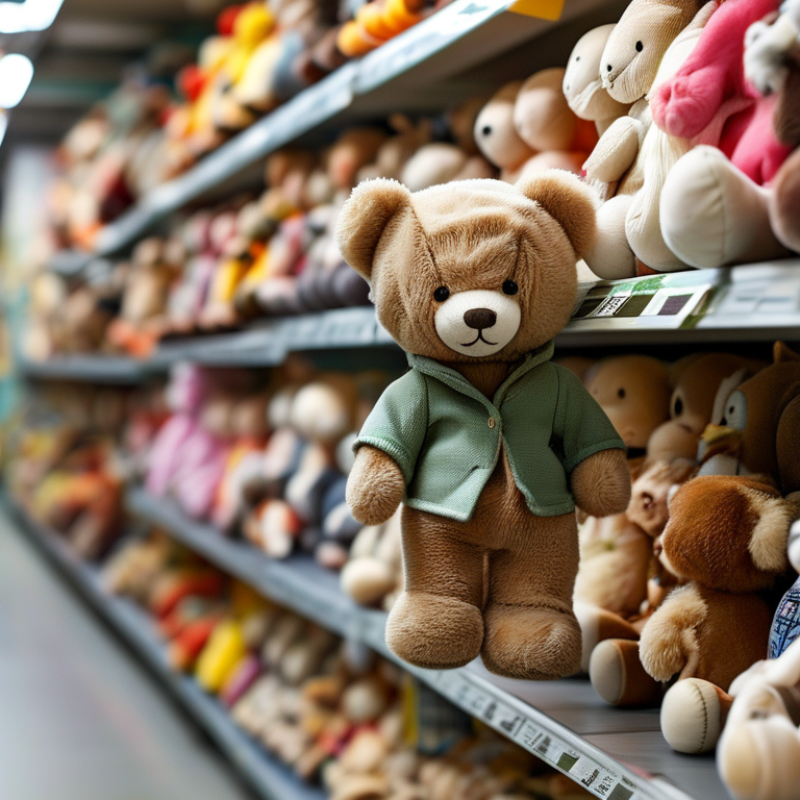
When choosing eco-friendly plush toys, it's crucial to understand the materials used in their creation. Many manufacturers are now opting for organic cotton and recycled polyester. Organic cotton is grown without harmful pesticides. This makes it safer for both children and the environment. Recycled polyester is often made from post-consumer plastics. This process not only reduces waste but also conserves resources.
Another aspect to consider is the filling materials. Natural fillers like bamboo or recycled foam are becoming popular. These materials provide comfort while being sustainable. However, not all plush toys advertise their fillings clearly. This can make it challenging for consumers to make informed choices. Look for certifications that guarantee eco-friendliness. While some brands highlight their green credentials, the authenticity of these claims can vary.
Packaging is another component of eco-friendly plush toys. Biodegradable or recyclable packaging can minimize environmental impact. Many brands still use excessive plastic wrap, which undermines their eco-friendly claims. Pay attention to how products are packaged when shopping. Making sustainable choices means being vigilant about quality and sourcing, even if perfection isn't always attainable.
Choosing eco-friendly plush toys can feel overwhelming. Understanding certifications is crucial. These certifications show a commitment to sustainable practices. Look for standard labels like GOTS or OEKO-TEX. These verify organic materials and safety for children. Knowing this helps buyers feel confident in their purchases.
Consider the sustainability of the production process. Some toys may claim eco-friendliness but lack proper certifications. This discrepancy can be frustrating. Researching these labels ensures that the toys are environmentally friendly. Certificates reduce the risk of purchasing from unscrupulous manufacturers. Transparency in materials used is also a significant factor.
Parents often seek reassurance when buying toys. Look for information on the brand's sourcing methods. A brand’s commitment to ethical practices is often reflected in its certifications. However, not all certifications are created equal. It’s essential to understand what each certification represents. This knowledge can guide you to make informed decisions that benefit both your child and the planet.
When selecting eco-friendly plush toys, safety standards should be a primary concern. Many materials labeled as "eco-friendly" may still contain harmful substances. To ensure safety, seek plush toys made from organic cotton or other natural fibers. These materials are less likely to pose health risks to children. Always check for certifications that indicate compliance with safety regulations.
Look for toys that are free from harmful chemicals, such as phthalates and formaldehyde. These substances can be harmful, especially to young children. It's advisable to read product labels carefully. Even toys marketed as eco-friendly may not meet high safety standards.
Consider the manufacturing process as well. Toys that are handcrafted or produced in small batches might prioritize safety. Larger factories may cut corners to reduce costs. It's essential to ask questions about sourcing and production practices. Not all companies will readily share this information. A toy might look safe, but without transparent production methods, this is uncertain. Prioritizing safety is key when choosing eco-friendly plush toys.
| Toy Type | Material | Age Recommendation | Safety Certifications | Eco-Friendly Features |
|---|---|---|---|---|
| Stuffed Animal | Organic Cotton | 0-3 Years | OEKO-TEX Standard 100 | Biodegradable Filling |
| Plush Pillow | Recycled PET | 3+ Years | ASTM F963 | Non-Toxic Dyes |
| Eco-Friendly Toy Set | Bamboo Fiber | 2+ Years | CPSIA Compliant | Sustainable Sourcing |
| Animal Plush Toy | Hemp Fabric | 0-5 Years | EN71 | Chemical-Free |
| Character Plush Toy | Recycled Cotton | 3+ Years | ISO 8124 | Fair Trade Production |
When selecting eco-friendly plush toys, evaluating a brand's commitment to sustainability is crucial. Look for transparency in sourcing materials. Brands should disclose whether they use organic fabrics or recycled materials. Certifications can indicate a commitment to environmental care. It’s essential to check for these labels on their products.
Brand practices matter too. Some brands may claim to be eco-friendly but lack genuine initiatives. Reflect on their manufacturing processes. Are they minimizing waste? Are they reducing their carbon footprint? Look for companies that actively promote fair trade and responsible labor practices. This adds to the credibility of their sustainability promises.
Consumer feedback can provide insights. Reviews can reveal if the products truly deliver on quality and durability. Sometimes, what looks good on the surface may not hold up. Maintaining a critical eye on owner experiences ensures you choose wisely. Take time to research, and don’t shy away from asking brands direct questions.
Choosing eco-friendly plush toys requires careful consideration of their life cycle and end-of-life options. Many plush toys are made from synthetic materials, which can take hundreds of years to decompose. According to a report from the Environmental Protection Agency, nearly 70% of textile waste ends up in landfills. This statistic highlights the importance of selecting toys that are environmentally sustainable throughout their entire lifecycle.
When seeking eco-friendly options, look for plush toys made from organic cotton or recycled materials. These choices significantly reduce the environmental footprint. It’s also worthwhile to research the manufacturing process. Many eco-conscious manufacturers utilize low-impact dyes and sustainable production methods. This not only minimizes pollution but also supports ethical labor practices.
Consider how the toy will be disposed of after its useful life. Biodegradable toys are an excellent choice because they break down naturally. In contrast, traditional plush toys often contribute to long-term waste issues. Exploring local recycling programs or composting options can also enhance sustainability.
Design your purchase with an eye towards longevity. Choose durable toys that can withstand years of play. They provide lasting enjoyment and reduce the need for frequent replacements. By being mindful of these factors, consumers can make informed choices that benefit both children and the planet.
: Many eco-friendly plush toys are made from organic cotton and recycled polyester.
Organic cotton is grown without harmful pesticides, making it safer for children and the environment.
Yes, natural fillers like bamboo or recycled foam provide comfort and are sustainable options.
Look for certifications like GOTS or OEKO-TEX to verify organic materials and safety.
Check if packaging is biodegradable or recyclable, as excessive plastic wrap can offset eco-friendly claims.
Certifications help ensure toys are environmentally friendly and reduce the risk of buying from unreliable sources.
Yes, not all brands provide clear information about their materials and certifications.
Look for certifications that reflect a brand's commitment to ethical practices in their production methods.
No, some information may be vague or misleading, which can make shopping challenging.
Not every eco-friendly toy is equal; understanding materials and certifications can guide better choices.
When considering how to choose eco friendly plush toys, it is essential to start by understanding the materials used in their production. Opt for plush toys made from sustainable fabrics like organic cotton or recycled polyester, which minimize environmental impact. Additionally, it's important to identify certifications that indicate a product meets sustainable production standards, ensuring a commitment to eco-friendly practices.
Safety standards play a crucial role as well—ensure that the toys comply with regulations to ensure they are safe for children. Further, evaluate the brand's dedication to sustainability by looking into their overall production practices and community initiatives. Finally, consider the life cycle of the toy and its end-of-life options, such as recyclability or biodegradability, to ensure that your purchase contributes to a healthier planet.

STTY Toys